

Cabinet Selection Guide for First-Time Renovators
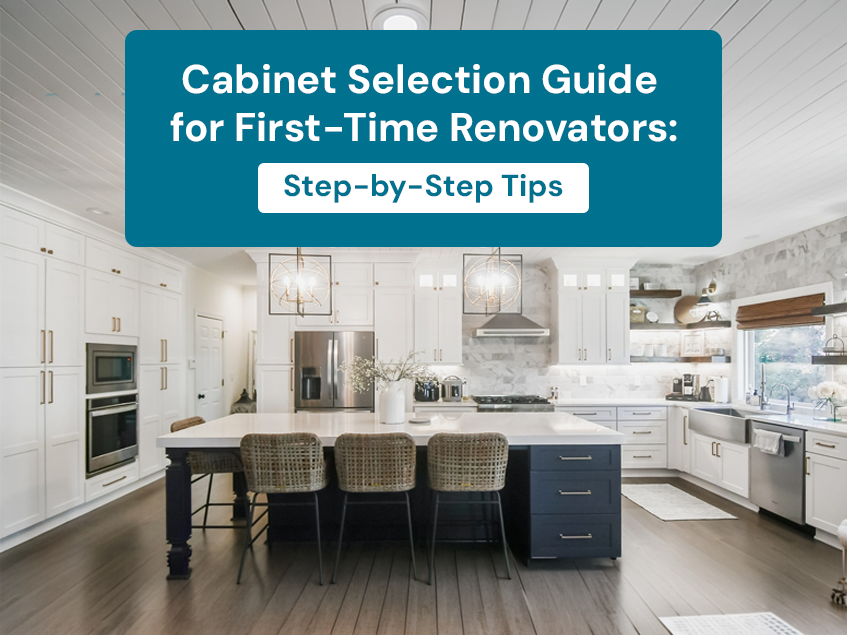
Choosing kitchen cabinets for the first time can feel overwhelming. Many homeowners struggle to know where to start during a first-time kitchen renovation. The choices you make will affect your kitchen's:
- Functionality
- Appearance
- Long-term durability
That's why having a clear cabinet selection guide is essential before making any purchase decisions. This step-by-step kitchen cabinet buying guide simplifies the process.
Step 1: Understand Your Kitchen Layout
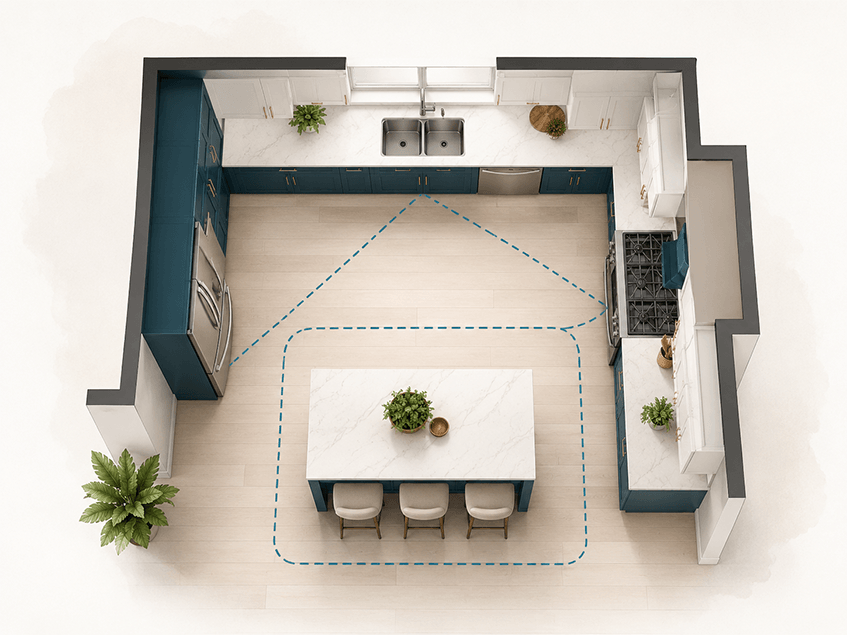
Before selecting cabinet colors or styles, you need to understand your kitchen layout. The layout determines how your cabinets will function and where you will place them.
Common kitchen layouts are:
- L-Shaped Kitchens
- U-Shaped Kitchens
- Galley Kitchens
- Open Kitchens
Your layout directly impacts:
- Cabinet placement
- Workflow
- Appliance spacing
- Storage opportunities
One of the biggest mistakes first-time renovators make is choosing cabinets before finalizing the kitchen layout. Always determine your layout first so you can plan:
- Cabinet dimensions
- Storage needs
- Traffic flow
Step 2: Set a Realistic Budget
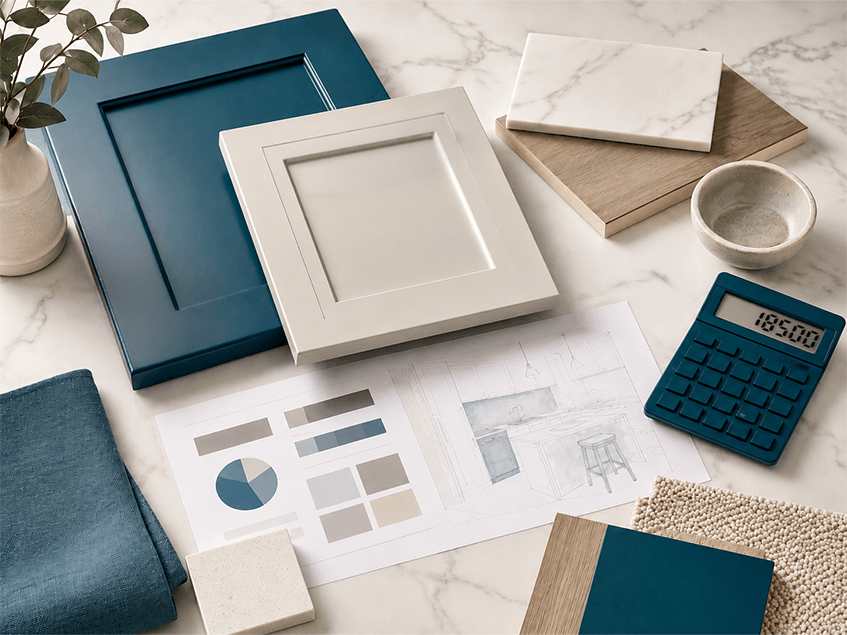
Cabinets account for a large portion of any kitchen renovation budget. Setting realistic expectations early helps prevent overspending later in the project. Consider:
- Cabinet purchase costs
- Installation labor
- Hardware and accessories
- Trim and molding
- Delivery fees
Here's a general breakdown of cabinet budget ranges:
| Budget Level | Estimated Range |
|---|---|
| Entry-Level | $3,000–$8,000 |
| Mid-Range | $8,000–$15,000 |
| Premium/Custom | $15,000+ |
Stock cabinets are usually the most affordable option, while custom cabinetry significantly increases costs.
Reserve part of your budget for unexpected adjustments or upgrades during installation. Many homeowners underestimate the cost of accessories like:
- Pull-out shelves
- Organizers
- Soft-close hardware
A clear budget helps narrow your choices and makes the cabinet selection process much easier.
Step 3: Pick the Right Cabinet Type
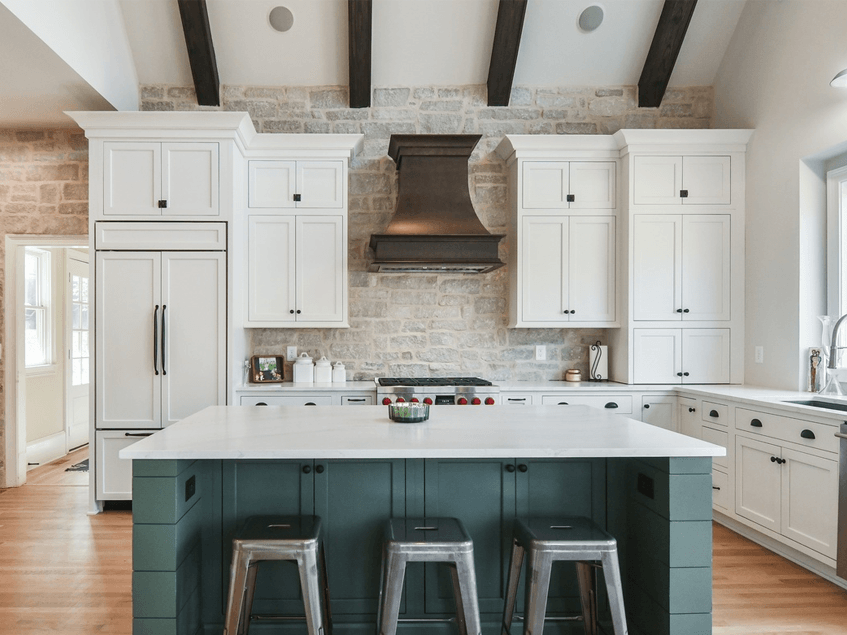
One of the most important decisions in any kitchen cabinet buying guide is selecting the right cabinet type. Your choice will impact:
- Cost
- Customization
- Installation time
- Overall flexibility
Stock Cabinets
Stock cabinets are pre-manufactured in standard sizes and styles. They are the most budget-friendly option and are usually available quickly. Best for:
- Tight budgets
- Faster renovations
- Standard kitchen layouts
- Semi-Custom Cabinets
Semi-custom cabinets offer more flexibility in:
- Sizing
- Finishes
- Storage features
- Design details
They provide a balance between:
- Affordability
- Personalization
Best for:
- Homeowners wanting customization without full custom pricing
- Kitchens with unique dimensions
- Mid-range remodeling budgets
Custom Cabinets
Custom cabinets are built specifically for your kitchen. We fully tailor every:
- Measurement
- Finish
- Feature
Best for:
- Luxury renovations
- Unique kitchen layouts
- Maximum personalization and storage optimization
For many first-time renovators, semi-custom cabinets provide the best balance of:
- Quality
- Flexibility
- Value
However, the right option ultimately depends on your:
- Renovation goals
- Timeline
- Budget
Step 4: Select the Best Cabinet Material
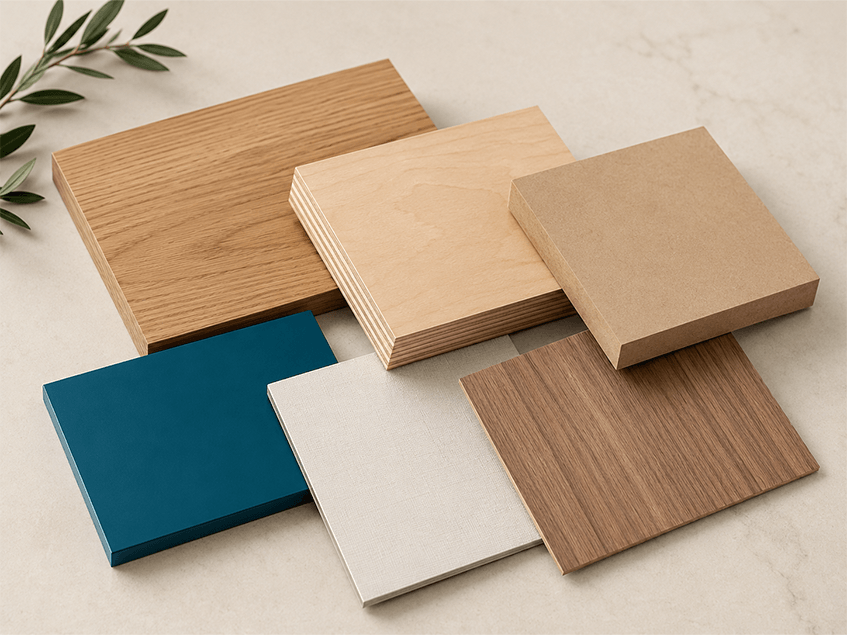
Understanding cabinet materials comparison is essential when learning how to choose kitchen cabinets that will last. Different cabinet materials affect:
- Durability
- Appearance
- Maintenance
- Moisture resistance
Plywood
Plywood is one of the most durable cabinet materials available. It resists moisture better than many alternatives and offers excellent structural strength.
Pros:
- Strong and long-lasting
- Moisture-resistant
- Lightweight yet durable
Best for: Long-term durability and busy kitchens
MDF
Medium-density fiberboard is a smooth engineered wood product commonly used for painted cabinet doors.
Pros:
- Budget-friendly
- Smooth surface for paint finishes
- Resistant to cracking
Best for: Affordable painted cabinetry
Solid Wood
Solid wood delivers a premium appearance and natural beauty that many homeowners love.
Pros:
- High-end aesthetic
- Strong resale appeal
- Natural wood grain patterns
Considerations:
- Higher cost
- Can expand or contract in humid climates
Climate also matters when selecting materials. Homes in humid environments may benefit from moisture-resistant plywood construction, while dry climates can accommodate numerous materials.
Step 5: Pick a Cabinet Style That Matches Your Home
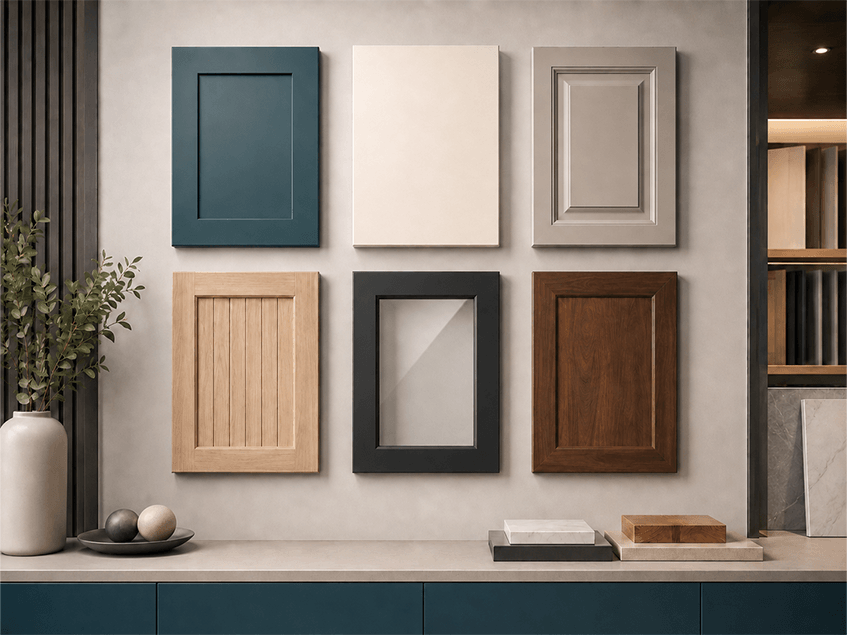
Cabinets should complement the overall design of your home. The most popular cabinet styles include:
Shaker Cabinets
Shaker cabinets feature clean lines and simple recessed panels. They work well in:
- Modern designs
- Traditional kitchens
Flat Panel Cabinets
Flat panel cabinets offer a sleek, minimalist appearance ideal for modern spaces.
Raised Panel Cabinets
Raised panel cabinets create a more classic and decorative look commonly seen in traditional homes. When choosing a style, think about your:
- Home's architecture
- Long-term design preferences
Ultra-trendy designs may not age as well over time. For example:
- Modern homes often pair best with flat panel cabinets
- Farmhouse kitchens frequently use shaker cabinetry
- Traditional homes usually complement raised panel designs
A cohesive style creates a more polished and timeless kitchen renovation.
Step 6: Focus on Storage & Functionality
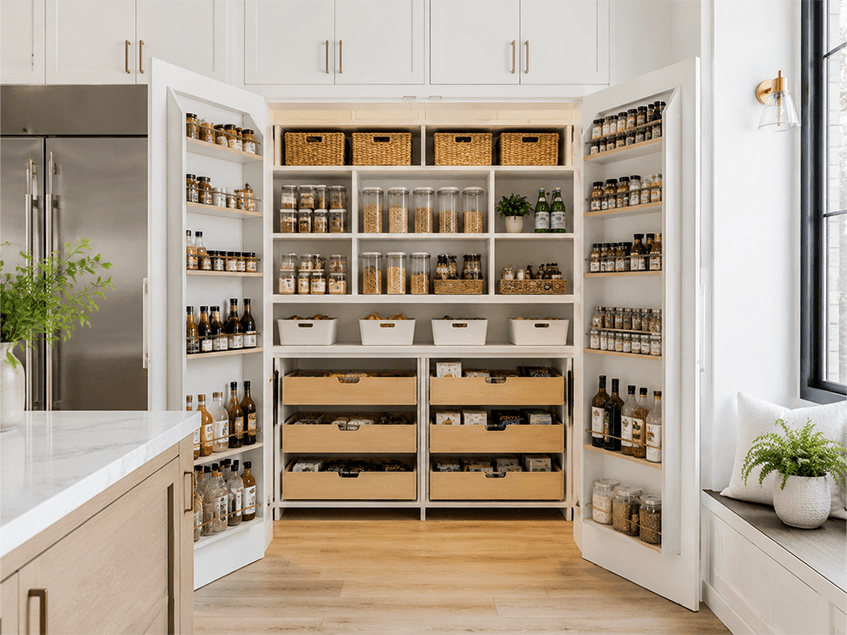
Beautiful cabinets are important, but functionality matters even more in everyday use. The best kitchen renovation cabinets combine style with practical storage solutions that improve:
- Organization
- Efficiency
Some must-have cabinet features include:
- Deep drawers for pots and pans
- Pull-out shelves for easy access
- Lazy Susans for corner cabinets
- Pantry cabinets for maximizing vertical storage
- Drawer dividers for utensils and organization
First-time renovators often focus heavily on appearance while overlooking usability.
For example, deep drawers are often more functional than lower cabinets with shelves because they provide:
- Easier access
- Better organization
If you cook frequently or have a busy household, prioritize:
- Workflow
- Storage efficiency
Remember: Function should always come before aesthetics when planning cabinetry.
Step 7: Choose the Right Finish & Color
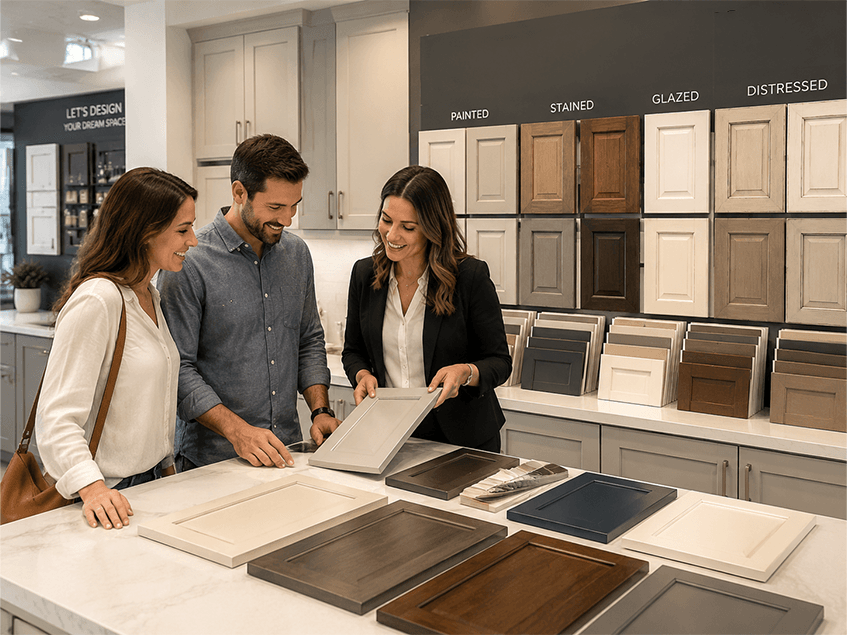
Cabinet color and finish impact the overall feel of your kitchen. When selecting finishes, consider:
- Natural lighting
- Kitchen size
- Cleaning and maintenance
- Overall home style
Light Cabinets
Light-colored cabinets help reflect natural light and make smaller kitchens feel larger and more open.
Dark Cabinets
Dark cabinets create contrast and warmth but may make smaller kitchens feel tighter if lighting is limited.
Matte Finishes
Matte finishes offer a softer, modern appearance and tend to hide fingerprints better.
Gloss Finishes
Gloss finishes reflect more light and create a sleek contemporary look but may show smudges more easily. Busy households with children may benefit from finishes that better conceal:
- Stains
- Fingerprints
- Everyday wear
Neutral cabinet colors often provide the best:
- Long-term flexibility
- Resale appeal
Step 8: Don't Ignore Hardware & Accessories

Small cabinet details can make a major difference in:
- Appearance
- Functionality
Important hardware choices include:
- Handles and knobs
- Soft-close hinges
- Drawer slides
- Pull handles
- Interior organizers
High-quality hardware improves the overall feel of your kitchen and betters daily usability. Soft-close hinges and drawer slides are especially popular because they:
- Reduce noise
- Minimize wear
- Create a more premium experience
Small upgrades can significantly improve the functionality of your cabinets.
Step 9: Measure Everything Accurately
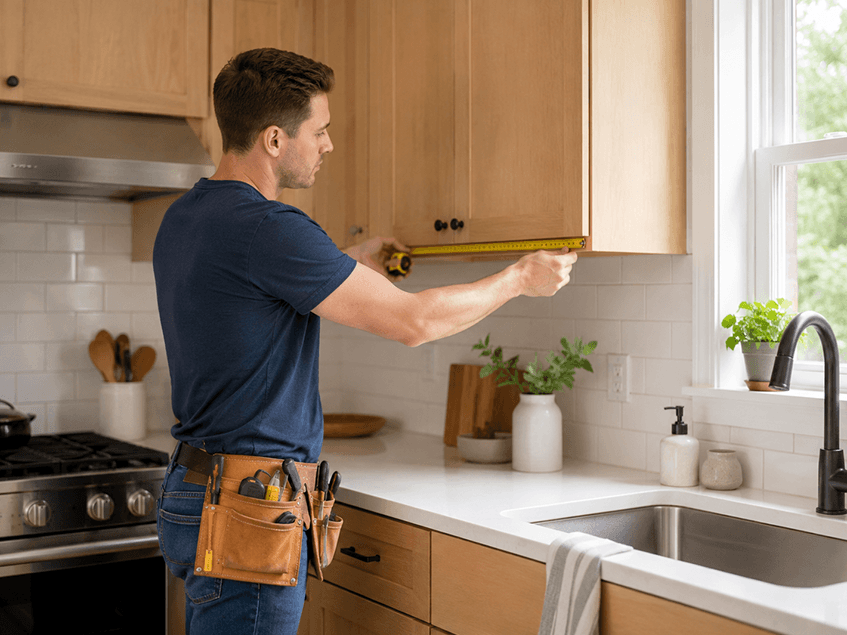
Accurate measurements are critical when ordering kitchen cabinets. Incorrect measurements can lead to:
- Wasted space
- Installation delays
- Appliance fit issues
- Costly modifications
Measure:
- Wall lengths
- Ceiling height
- Window locations
- Appliance dimensions
- Door clearances
Even a small measuring error can create major installation problems later.
Many homeowners pick to work with professional designers or cabinet suppliers to ensure dimensions are correct before buying. Taking time to verify measurements early can save substantia:
- Time
- Money
- Frustration
Step 10: Choose the Right Cabinet Supplier

Your cabinet supplier plays a major role in the success of your renovation project. Look for a supplier that offers:
- High-quality kitchen cabinets
- Multiple style and material options
- Helpful customer support
- Reliable lead times
- Strong product warranties
A reputable supplier can help guide first-time renovators through:
- Design decisions
- Measurements
- Storage planning
- Installation preparation
Choosing a reliable supplier like Kade Cabinets helps ensure:
- Better product quality
- Smoother ordering
- More successful renovation experience overall
Working with experienced professionals can make the cabinet selection process significantly less stressful.
Quick Checklist for First-Time Renovators
- Define your kitchen layout
- Set a realistic renovation budget
- Choose the right cabinet type
- Compare cabinet materials
- Plan storage and functionality
- Select a cabinet style
- Pick finishes and colors
- Upgrade hardware and accessories
- Verify all measurements
- Work with a reliable cabinet supplier
Key Takeaways
Choosing cabinets for your first kitchen renovation doesn't need to be complicated. You can confidently make decisions that improve appearance and functionality with:
- Proper planning
- Clear priorities
- A structured cabinet selection guide
Every decision contributes to the long-term success of your renovation. Because cabinets are a long-term investment, it's important to focus on:
- Quality
- Durability
- Functionality
Ready to start your renovation journey? Explore kitchen cabinet options from Kade Cabinets to find high-quality designs that fit your style, budget, and everyday needs.
FAQs
-
What is the best cabinet type for beginners?
Semi-custom cabinets are often the best option for beginners because they balance affordability, flexibility, and customization.
-
How much should I budget for cabinets?
Most homeowners spend between $3,000 and $15,000.
-
Which cabinet material lasts longest?
Many people consider plywood one of the most durable cabinet materials because it offers strength and moisture resistance.
-
Are custom cabinets worth it?
Custom cabinets are worth it for homeowners with unique layouts or highly personalized design goals.
-
How long does cabinet installation take?
Most cabinet installations take anywhere from several days to a few weeks.
Recent Articles
 29 September,2026
What a Kitchen Remodel Really Costs in Cumming, GA - 2026 Budget
2026 kitchen remodel costs in Cumming, GA by kitchen size, plus refacing vs. replacing, Forsyth County permits, lead times and what moves your budget.
Read More 15 September,2026
White Kitchen Cabinets: How to Choose the Right Shade, Finish and Hardware
Learn how to choose white kitchen cabinets by comparing shades, finishes and hardware to create a cohesive, functional kitchen design.
Read More 30 August,2026
Looking for Schrock Cabinets in Georgia? Here's What We Carry Instead
Looking for Schrock Cabinets in Georgia? Explore quality cabinet alternatives, available styles, and options for your next kitchen project.
Read More