

What Makes a Cabinet Durable? Key Features Explained
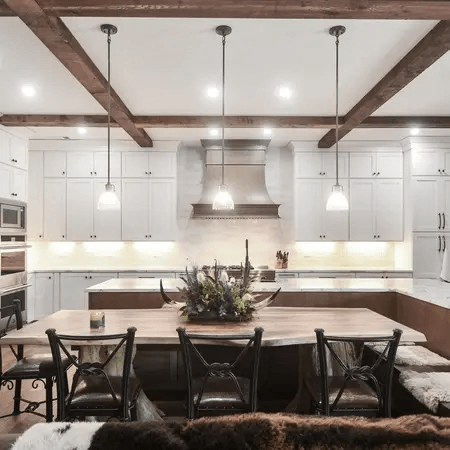
Kitchen cabinets take more daily wear than almost any other feature in a home. They’re opened and closed dozens of times a day, exposed to moisture, heat, grease, and the weight of:
- Dishes
- Cookware
- Appliances
Because of this, durability is essential for long-term:
- Performance
- Value
Low-quality cabinets often show problems early:
- Warping from humidity
- Peeling finishes
- Loose hinges
- Sagging shelves
These issues lead to:
- Costly repairs
- Full replacements
Understanding what makes a kitchen cabinet durable helps you avoid these pitfalls. This guide breaks down the key durability factors.
Why Cabinet Durability Matters in Modern Kitchens
Kitchen cabinets are constantly in motion:
- Handling daily traffic
- Storage demands
- Environmental exposure
Durability directly impacts:
- Longevity
- Maintenance costs
- Kitchen value
For homeowners, durable cabinets mean:
- Peace of mind
- Fewer unexpected expenses
For contractors and dealers, they:
- Reduce callbacks
- Improve customer satisfaction
- Strengthen their reputation
In both cases, durability directly drives:
- Performance
- Long-term return on investment
Cabinet Material: The Foundation of Durability
Solid Wood vs Engineered Wood
The material used in cabinet construction is the single biggest factor in durability.
Solid Wood
Solid wood is a premium option, known for its:
- Strength
- Natural appearance
However, with humidity changes it can:
- Expand
- Contract
Plywood
Made from layered wood veneers, plywood offers:
- Strength
- Stability
In comparison to solid wood, plywood better:
- Resists moisture
- Maintains its shape under changing conditions
MDF/Particleboard
These engineered materials are more budget-friendly but less durable. They are more prone to swelling when exposed to moisture and have weaker screw-holding capabilities.
Why Plywood Is Preferred
Plywood is widely considered the best balance of:
- Durability
- Cost
- Performance
The material resists:
- Warping
- Cracking
Plywood has a strong screw-holding capacity. Choosing the right core material is a critical step in ensuring long-term durability.
Cabinet Construction Techniques That Matter
Dovetail Joints vs Stapled Joints
Joinery plays a major role in how well cabinets hold together over time.
- Dovetail joints: These interlocking joints are extremely strong and commonly used in high-quality drawer construction. They resist pulling apart even under heavy loads.
- Stapled or glued joints: While cheaper to produce, these joints are more likely to loosen over time.
Framed vs Frameless Cabinets
Both styles can be durable when built correctly, but they differ in structure.
- Framed cabinets: Include a front frame that adds:
- Rigidity
- Support
- Frameless cabinets: Offer more storage space and a modern look but require precise construction to maintain strength.
Back Panel Thickness
The back panel is often overlooked but plays a key role in cabinet stability. Full-thickness back panels provide:
- Structural support
- Help cabinets stay square
Thin or partial backs can lead to:
- Wobbling
- Reduced durability
Well-built cabinets combine:
- Strong joinery
- Precise construction
- Adequate support
Hardware Quality: Small Details, Major Impact
Hinges
Cabinet hinges handle constant movement, making their quality essential. Soft-close hinges reduce stress by preventing slamming. Adjustable hinges allow for alignment corrections over time.
Drawer Slides
Drawer performance depends heavily on slide quality:
- Undermount slides provide smoother operation.
- Side-mount slides are more visible but can still be durable when well-made.
- Full-extension slides allow complete access to drawer contents.
High-quality hardware ensures:
- Cabinets function smoothly
- Maintain their integrity
Comparison Table: Drawer Slides
| Type | Visibility | Durability | Weight Capacity | Best Feature |
|---|---|---|---|---|
| Undermount | Hidden | High | High | Smooth operation |
| Side-mount | Visible | Moderate | Moderate-High | Cost-effective |
| Full extension | Varies | High | High | Full access |
Finish & Coating: Protection Against Wear
Painted vs. Stained Finishes
- Painted Finishes
Provide a smooth, modern look but may chip over time. - Stained Finishes
Highlight the natural wood grain and tend to be more forgiving of minor scratches or wear.
Protective Coatings
Protective layers extend the life of cabinet surfaces. UV coatings help prevent fading from sunlight exposure. Water-resistant finishes protect against:
- Spills
- Steam
- Humidity
Comparison Table: Cabinet Materials
| Material | Durability | Moisture Resistance | Cost Level | Best Use Case |
|---|---|---|---|---|
| Solid Wood | High | Moderate | High | Premium cabinetry |
| Plywood | Very High | High | Mid-High | Kitchen cabinets |
| MDF | Moderate | Low-Moderate | Mid | Painted surfaces |
| Particleboard | Low | Low | Low | Budget projects |
Moisture Resistance & Environmental Factors
Kitchens are high-moisture environments with frequent temperature changes. Builders must build cabinets to handle these conditions. Key factors are:
- Sealed edges
- Quality laminates or veneers
- Proper installation
Weight Capacity & Load Handling
Cabinets must support significant weight daily. Durable cabinets feature:
- Sturdy shelves that resist sagging
- Reinforced brackets or supports for added strength
- High-capacity drawer slides for heavier loads
Ignoring weight capacity can lead to long-term structural issues.
Certifications & Quality Standards
Certifications help verify that cabinets meet industry standards for:
- Durability
- Safety
CARB Compliance
Ensure low formaldehyde emissions, adding to safer indoor air quality.
KCMA Certification
Indicates cabinets have passed rigorous testing for:
- Durability
- Moisture resistance
- Structural integrity
Signs of a High-Quality, Durable Cabinet
- Smooth, even finishes
- Solid joinery
- Sturdy construction
- Consistent material thickness
- Reliable hardware
Mistakes That Reduce Cabinet Lifespan
- Choosing cabinets based on price alone
- Ignoring material quality and construction details
- Poor installation practices
- Overloading shelves and drawers
- Skipping routine maintenance
How to Maintain Cabinets
- Regular cleaning with gentle products
- Avoiding harsh chemicals
- Tightening hinges and hardware periodically
- Managing moisture by wiping spills quickly and using ventilation
Key Takeaways
Durable cabinets are built on a combination of:
- High-quality materials
- Strong construction techniques
- Reliable hardware
- Protective finishes
Investing in durability upfront leads to:
- Fewer repairs
- Lower maintenance costs
- Better long-term value
Focusing on these key features ensures better results. Choosing a trusted supplier like Kade Cabinets can help you find products designed to meet these standards. Explore everything we have to offer today!
FAQs
-
What makes a cabinet high-quality?
High-quality cabinets use durable materials, feature strong joinery, include reliable hardware, and have a smooth, protective finish.
-
Is plywood better than MDF for cabinets?
Yes, plywood is generally more durable and moisture-resistant than MDF.
-
How can you tell if cabinets are well-constructed?
Look for solid joinery, full back panels, consistent material thickness, and smooth-operating doors and drawers.
-
Do thicker cabinet panels mean better durability?
In most cases, yes. Thicker panels provide more strength and stability.
-
Are frameless cabinets less durable than face-frame cabinets?
Not necessarily. Frameless cabinets can be just as durable when built with high-quality materials and precise construction.
Recent Articles
 30 August,2026
Looking for Schrock Cabinets in Georgia? Here's What We Carry Instead
Looking for Schrock Cabinets in Georgia? Explore quality cabinet alternatives, available styles, and options for your next kitchen project.
Read More 28 August,2026
Kemper Cabinets: Door Styles, Finishes, and Pricing from a Georgia Dealer
Explore Kemper Cabinets, including door styles, finishes, wood species, customization options, pricing, and how to get a quote from a Georgia dealer.
Read More 21 August,2026
Wellborn Cabinets Review: Construction, Warranty, Etc.
Read our Wellborn Cabinets review covering construction, cabinet quality, warranty, customization, lead times, and where Wellborn Cabinets are made.
Read More