

Do New Kitchen Cabinets Increase Home Value?
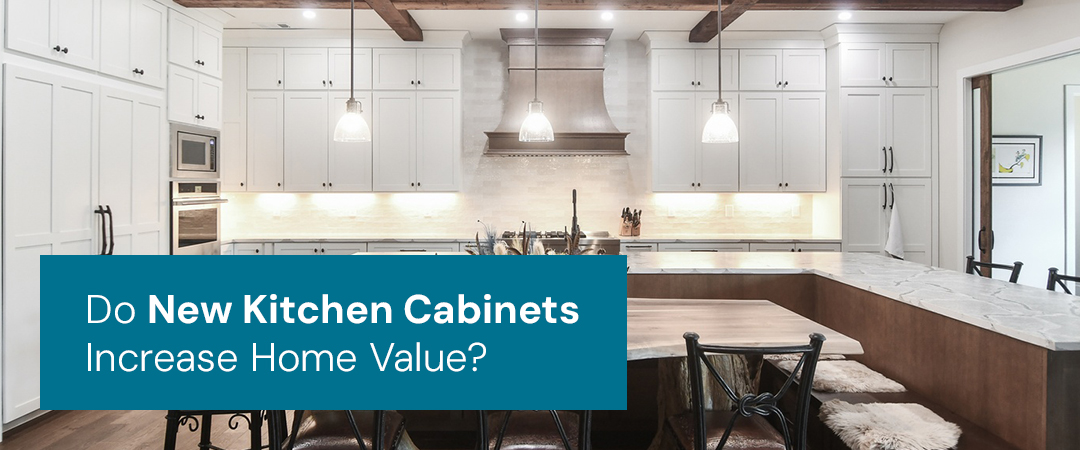
Thinking about upgrading your kitchen cabinets but wondering if it's worth the investment? You are not alone. For most homeowners planning a future resale, the kitchen is the primary focus of renovation discussions.
The kitchen serves as the heart of the modern home, acting as a central hub for:
- Cooking
- Entertaining
- Daily family life
However, because it is such a high-traffic, multi-functional space, it is also one of the most expensive zones to remodel.
Within that remodel, kitchen cabinets represent a massive percentage of your total budget. This reality raises a crucial question for anyone looking to maximize their property assets: do cabinets increase home value, or are you simply overspending on aesthetic upgrades that won't pay off when you list the property?
This guide breaks down:
- Real kitchen cabinet ROI
- When an upgrade works to your financial advantage
- Warns you against the costly mistakes
Why Cabinets Have a Major Impact on Home Value
When a prospective buyer walks into an open house, their eyes naturally gravitate toward the largest visual surfaces. Because cabinetry:
- Lines multiple walls
- Hangs at eye level
- Anchors the kitchen island
- Dominates the room's visual landscape
If the cabinets show scratches, look dated, or warp structurally, the buyer immediately assumes the entire home lacks maintenance.
Cabinets dictate the day-to-day usability of the kitchen. They control the:
- Volume of available storage
- Layout efficiency
- Workflow of the cooking zone
- Overall perceived quality of the home
Buyers heavily judge kitchens because they are incredibly expensive and stressful to remodel post-purchase.
If a buyer views a kitchen with premium, functional, and pristine cabinets, they see a home that is entirely move-in ready. This emotional and practical reassurance translates directly into faster, higher offers, making strategic cabinet upgrades an ROI.
Learn More About Budgeting for Kitchen Remodels
How Much Value Can Cabinets Add?
The scale and type of the project directly determine the financial value that new cabinets add. Different tiers of kitchen renovation value offer vastly different financial returns:
Minor Upgrades
These budget-conscious cosmetic adjustments typically deliver the highest percentage ROI, frequently yielding 75-90% or more. By utilizing the existing cabinet boxes and simply updating the visible surfaces, you minimize labor and material costs while transforming the visual appeal of the space.
Mid-Range Replacements
Installing durable, semi-custom stock cabinets offers a highly balanced ROI, generally landing around sixty-five percent to seventy-five percent. This option provides a completely fresh layout, upgraded storage features, and modern materials without breaking the bank.
Luxury Upgrades
High-end, fully custom wood cabinetry often yields a much lower percentage ROI, sometimes dropping between 50-60%. While gorgeous, luxury cabinets quickly reach a point of diminishing returns for resale, as mass-market buyers rarely pay a premium that covers the extreme cost of custom millwork.
When New Cabinets Increase Home Value
To ensure your new cabinets actively build equity and increase your home's ultimate resale price, your project must align with value-driving scenarios.
1. Improve Functionality and Layout
A beautiful kitchen that functions poorly will turn buyers away. Upgrading your cabinets allows you to:
- Correct architectural bottlenecks
- Introduce modern layout efficiencies
- Maximize storage capacity
Boost usability by adding:
- Deep pots-and-pans drawers
- Built-in trash pull-outs
- Lazy Susans for tight corners
- Dedicated pantry cabinets
When buyers see a highly organized, seamless workspace, they perceive the home as far more valuable.
2. Match the Surrounding Home Value
Your renovation budget must strictly align with your neighborhood's price point. If homes in your immediate area typically feature entry-level stock cabinets, installing premium, hand-carved inset cabinetry will not net you a return. You will price your property out of the local market. Conversely, if your home sits in an upscale neighborhood, installing cheap, low-grade particle-board cabinets will actively drag your property's value down.
3. Utilize Timeless, Universal Design
To appeal to the widest pool of buyers, you must prioritize timeless design choices. Neutral colors remain a massive favorite among real estate pros, such as:
- Soft whites
- Warm creams
- Sophisticated grays
- Classic navy islands
Classic door profiles, particularly Shaker-style cabinet doors, offer clean lines that adapt beautifully to modern, traditional, or transitional home aesthetics.
4. Upgrade Construction Quality and Hardware
Durable, high-quality construction is instantly recognizable. Buyers will open drawers and pull on doors during walkthroughs. Opting for plywood box construction over flimsy particle board, solid wood drawer boxes with dovetail joints, and heavy-duty under-mount drawer glides signals excellent craftsmanship. Furthermore, integrating soft-close hinges and premium hardware ensures a quiet, luxury feel that validates a higher home valuation.
5. Combine with Other Strategic Updates
Cabinet upgrades deliver their best financial results when executed as part of a cohesive design strategy. Pairing gorgeous new cabinets with updated energy-efficient appliances, clean modern countertops, and bright, updated LED lighting creates a harmonious environment. A standalone cabinet replacement surrounded by cracked countertops and ancient appliances will feel jarring and out of place.
When Cabinets DON'T Add Value
Understanding when a cabinet project fails to generate value is critical for preserving your money and establishing baseline trust. Avoid these common financial pitfalls:
Over-Investing in Ultra-Luxury Lines
Spending $40,000 on custom imported cabinets for a home valued at $300,000 is a guaranteed way to lose money. The local market cap will always limit your total property valuation, rendering excessive luxury upgrades financially unrecoverable.
Choosing Hyper-Trendy, Polarizing Designs
Embracing passing design fads is incredibly risky, like:
- Ultra-bright neon colors
- Highly distressed faux-antique finishes
- Aggressively avant-garde geometric textures
If a buyer dislikes your specific style, they see your new cabinets as a costly demolition project they will have to fund themselves.
Ignoring Layout and Flow Deficiencies
Simply replacing old cabinet boxes with brand-new boxes in an inherently flawed, cramped layout adds little value. If the refrigerator door still hits the kitchen island, the aesthetic upgrade can't mask the functional failure.
Relying on Substandard, Low-Quality Materials
Attempting to cut corners by purchasing ultra-cheap, thin laminate cabinets that warp under normal kitchen humidity will backfire. Discerning buyers and home inspectors will easily spot low-quality materials, attributing a low value to the entire kitchen.
Neglecting Storage Accessibility
If you install beautiful solid cabinet fronts but fail to include functional drawers or shelving systems, the kitchen remains difficult to use. This limits the practical value added to the home.
Cabinet Upgrades That Deliver the Best ROI
If your core goal is maximizing your immediate financial return before listing your home on the market, you should pivot away from expensive, complete tear-outs. Focus instead on practical, high-impact improvements.
Refacing Existing Cabinetry
If your structural cabinet boxes are solid and square, refacing allows you to replace just the doors and drawer fronts. This gives the appearance of a brand-new kitchen at a fraction of the cost.
Professional Repainting
Applying a pristine, factory-smooth coat of neutral paint to solid wood cabinets provides immense visual transformation with an incredibly low capital investment.
Integrating Soft-Close Hardware
Retrofitted hinges and smooth drawer glides add an instant element of luxury that punches far above its weight class at upfront cost.
Optimizing Internal Storage
Adding aftermarket pull-out wire baskets, roll-out shelves, and tier organizers into deep cabinets provides visible, highly marketable functionality.
Upgrading to Premium, Universal Materials
Choosing durable, low-maintenance materials that look expensive but remain highly cost-effective creates a superb balance for resale value.
Refacing vs. Replacing Cabinets
| Project Type | When to Choose | Cost vs. Value Profile |
|---|---|---|
| Cabinet Refacing | Choose this if your current kitchen layout is highly functional, and the existing wood cabinet boxes are structurally sound, dry, and in good condition. | High ROI %: Low upfront cost paired with a dramatic cosmetic transformation, resulting in excellent short-term resale yield. |
| Cabinet Replacing | Choose this if your current layout is cramped; the cabinet boxes are damaged, sagging, or molded, or you want to completely change the layout of the space. | Balanced Total Value: Higher upfront cost, but completely transforms the structural footprint, storage capability, and target market appeal. |
Tips to Maximize Cabinet ROI
To squeeze every ounce of equity out of your upcoming cabinet renovation, follow these strict development rules.
Stick to Universally Loved Neutral Colors
Whites, warm taupes, soft grays, or rich wood stains ensure your kitchen appeals to a massive, diverse buying audience.
Prioritize Ergonomic Storage Solutions
Ensure you include an abundance of deep drawers, full-extension glides, and organized pantry spaces.
Select Highly Durable Materials
Avoid fragile finishes; choose solid wood frames, high-density fiberboard (HDF) for painted doors, and heavy-duty finishes that stand up to daily wear and tear.
Avoid Over-Customization
Keep your layout practical. Do not build highly specific, unalterable slots for niche appliances that a future buyer might not own.
Hire Proven Professionals
Poor DIY installation can ruin even the most expensive cabinetry. Ensure boxes are perfectly level, plumb, and securely anchored to the wall studs by hiring skilled professional installers.
Should You Upgrade Cabinets Before Selling?
- Upgrade your cabinets if: The current units are noticeably broken, deeply scratched, outdated, or sport deeply polarizing historical colors (like 1970s avocado green). Leaving this intact will drive buyers to discount their offers by an amount far greater than the cost of a clean cabinet refresh.
- Do not replace your cabinets if: Your kitchen looks clean, uses functional modern layouts, and features neutral colors, even if the style isn't perfectly cutting-edge. In this scenario, you are highly unlikely to recoup the full cost of a brand-new cabinet installation, and your money is better spent elsewhere.
Key Takeaways
At the end of the day, updating your cabinetry is one of the most effective ways to elevate your home's market presence, provided you prioritize smart, value-driven decisions over blindly expensive upgrades.
By focusing heavily on impeccable construction quality, functional layout optimization, and timeless design aesthetics, you ensure your kitchen captures maximum attention from future buyers.
Are you ready to make a strategic investment in your home's future?
Explore High-ROI Kitchen Cabinet Options at Kade Cabinets
FAQs
-
Do kitchen cabinets increase resale value?
Yes, well-executed kitchen cabinets increase resale value by improving the overall aesthetic, maximizing storage volume, and assuring buyers that they will not face an immediate, costly kitchen remodel after moving in.
-
What is the ROI of kitchen cabinets?
The typical ROI of kitchen cabinets ranges from 65-90%. Minor cosmetic upgrades like painting or refacing yield the highest percentage returns.
-
Is it better to reface or replace cabinets?
Refacing is superior if you love your current layout and your cabinet boxes are structurally sound. Replacing is better if you must fix a broken layout or if the current boxes are physically deteriorating.
-
What cabinets add the most value?
Cabinets that add the most value are those featuring timeless Shaker-style doors, durable plywood construction, high-quality soft-close hardware, plenty of accessible storage drawers, and universally appealing neutral paint colors.
-
Should I upgrade cabinets before selling?
Upgrade them if you see visible damage or major outdated features, because this helps you stop buyers from lowballing your list price.
Recent Articles
 29 September,2026
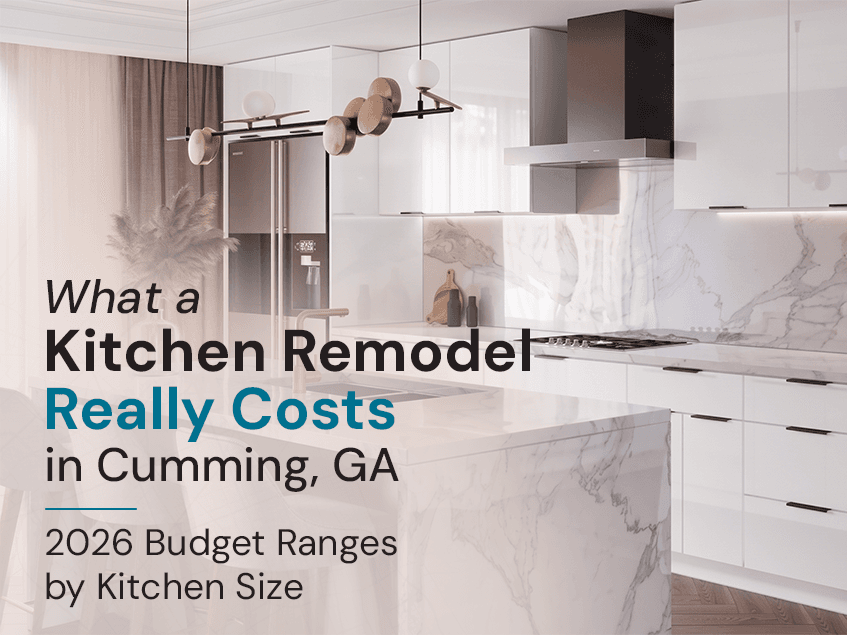
What a Kitchen Remodel Really Costs in Cumming, GA - 2026 Budget
2026 kitchen remodel costs in Cumming, GA by kitchen size, plus refacing vs. replacing, Forsyth County permits, lead times and what moves your budget.
Read More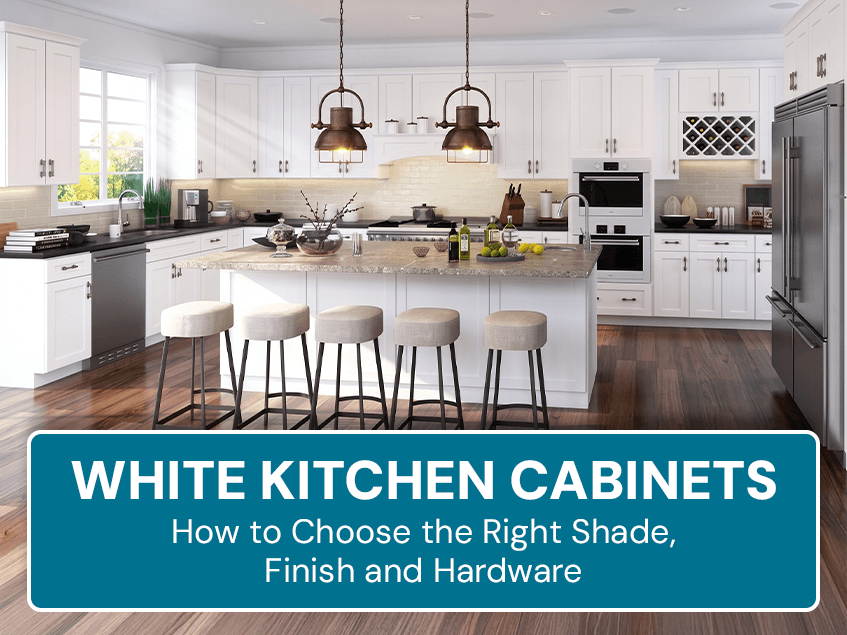 15 September,2026
White Kitchen Cabinets: How to Choose the Right Shade, Finish and Hardware
Learn how to choose white kitchen cabinets by comparing shades, finishes and hardware to create a cohesive, functional kitchen design.
Read More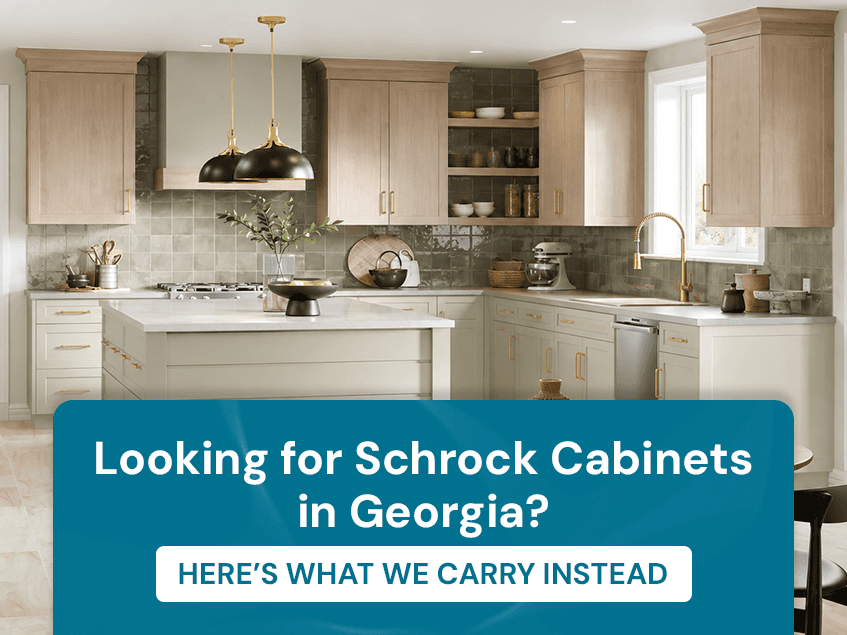 30 August,2026
Looking for Schrock Cabinets in Georgia? Here's What We Carry Instead
Looking for Schrock Cabinets in Georgia? Explore quality cabinet alternatives, available styles, and options for your next kitchen project.
Read More